Protein rich winter foods
Protein-rich foods in the winter include lean meats, fish, eggs, dairy products, and plant-based options like lentils, chickpeas, and tofu, which can be made into hot dishes like soups, stews, and baked goods. Nuts, seeds, and protein-rich vegetables like spinach, broccoli, and Brussels sprouts are also excellent additions to a winter diet. One big reason is that your body works harder to stay warm, and that is where adequate protein intake daily can help protein does not just build muscles, but it keeps you full, supports immunity, and helps your body stay energized when the temperature drops.
Yet, most of us do not get enough of it in our daily meals. However, you do not always need complicated recipes or protein powder to fulfill your daily protein requirements. Adding a few protein rich foods to your winter diet can make a noticeable difference. https://food.ndtv.com/food-drinks/7-high-protein-winter-recipes-using-spinach-and-methi-9614910

These are perfect for making a hearty, warming meal with lean proteins and legumes. Give yourself a winter boost with protein-rich ingredients like quinoa, chickpeas, and roasted vegetables. A high-protein breakfast, including eggs or Greek yogurt with nuts and seeds, are great ways to start the day. Keep high-protein snacks on hand, like hard-boiled eggs, some nuts, or cottage cheese.https://radiantlifeblog.com/blog/
Protein rich winter foods to boost weight loss
One big reason is that your body works harder to stay warm, and that is where adequate protein intake daily can help protein does not just build muscles, but it keeps you full, supports immunity, and helps your body stay energized when the temperature drops. Yet, most of us do not get enough of it in our daily meals. However, you do not always need complicated recipes or protein powder to fulfill your daily protein requirements. Adding a few protein rich foods to your winter diet can make a noticeable difference.

Nuts and Seeds
Nuts and seeds are some of the easiest protein rich snacks to add to your winter diet. Almonds, peanuts, walnuts, cashews, pistachios, brazil nuts, and even pine nuts provide steady energy and healthy fats. Seeds like chia, sesame, and flax are excellent protein sources for vegan diets. Consuming nuts regularly improves satiety, making them ideal for winter when hunger spikes. sprinkle them over yoghurt, blend them into smoothies, or eat a small handful daily. Nuts and seeds are good sources of protein, healthy fats, fiber, vitamins and minerals.
Nuts and seeds help control body weight because their fats are not fully absorbed and they control food intake. Nuts and seeds contain unsaturated fats and other nutrients that may provide protective effects against heart disease and diabetes. The Australian Dietary Guidelines recommend that adults consume 30 grams of nuts on most days of the week as part of a healthy diet. The nutrient profiles of seeds are also very similar to those of nuts, although they tend to have a higher proportion of polyunsaturated fats than nuts.
Benefits of nuts and seeds
All nuts have similar macronutrient protein, carbohydrate and fat profiles, but different types of nuts may have slightly different micronutrient vitamin and mineral content. Nuts have an energy content of around 29 kJ per gram and are high in good fats – monounsaturated fats and polyunsaturated fats, mainly walnuts. They are low in saturated fats. Good sources of dietary protein – a good alternative to animal protein. Some nuts are also high in the amino acid arginine, which keeps blood vessels healthy. Free of dietary cholesterol, high in dietary fiber. Rich in phytochemicals that act as antioxidants.
Rich in vitamins and minerals – vitamins E, B6, niacin and folate and minerals include magnesium, zinc, plant iron, calcium, copper, selenium, phosphorus and potassium. Like nuts, most seeds are rich in: protein, healthy fats with a high proportion of polyunsaturated fats and fiber minerals such as magnesium, potassium, calcium, plant iron and zinc, vitamins B1, B2, B3 and vitamin E. Oilseeds also contain antioxidants, which prevent fats from breaking down too quickly. These antioxidants also have many health benefits for the human body. Due to the nutrient-dense properties of nuts and seeds, they offer many health benefits, such as: helping to manage your weight reducing your risk of heart disease reducing your risk of diabetes.
Nuts, seeds and weight management
Although nuts are high in energy and fat, eating nuts is not associated with weight gain. Consuming more nuts can help reduce body weight. When included as part of a weight loss diet, nuts have been shown to increase weight loss and reduce belly fat. Less belly fat means a lower risk of chronic diseases (such as heart disease and diabetes). Therefore, nuts should be part of a healthy diet.

The Australian Dietary Guidelines recommend 30 grams of nuts on most days of the week. Nuts help with weight management: Lower fat absorption than expected – The fats in nuts are not fully digested and absorbed by the body. When less fat is absorbed, less energy is also absorbed from nuts. Appetite and satiety – Nuts help suppress our appetite. As a result, food intake is reduced to replace the energy from nuts. This effect is due to the protein, fat and fiber content of nuts.
Eggs
Eggs are packed with nutrients, providing high-quality protein, vitamins, and minerals, and are a staple in many diets due to their health benefits in cooking. They support heart health by increasing good cholesterol, and aid in weight management by increasing satiety.

Nutritional value
One large egg provides about 6-7 grams of high-quality protein, which includes all nine essential amino acids. Eggs are a great source of vitamin B12, vitamin D, choline, iron, and selenium. The yolk is one of the few natural sources of vitamin D. They contain healthy monounsaturated and polyunsaturated fats. Eggs also contain important antioxidants like lutein and zeaxanthin, which are beneficial for eye health.
They are high in calories, with a large egg containing about 70-77.5 calories. A single hard boiled eg gives almost 4g of protein, as per the US Department of agriculture. Eggs help you stay full for longer, reducing unnecessary snacking throughout the day. They are a complete protein source, meaning they contain all essential amino acids your body needs. Whether eaten for breakfast or added to salads, eggs are a simple, affordable way to meet daily protein needs.
Legumes and pulses
Legumes are a broad category of plants in the pea family, while pulses are the dried seeds of certain legumes used for food. All pulses are legumes, but not all legumes are pulses. Pulses include dried beans, dried peas, chickpeas, and lentils. Pulses also include plants with high-fat seeds, such as soybeans and peanuts, which are not considered pulses. The term “legume” refers to the entire plant, including the leaves, stems, and pods. It is a broad classification for plants in the Fabaceae family. Examples include all types of beans, peas, lentils, chickpeas, and peanuts.
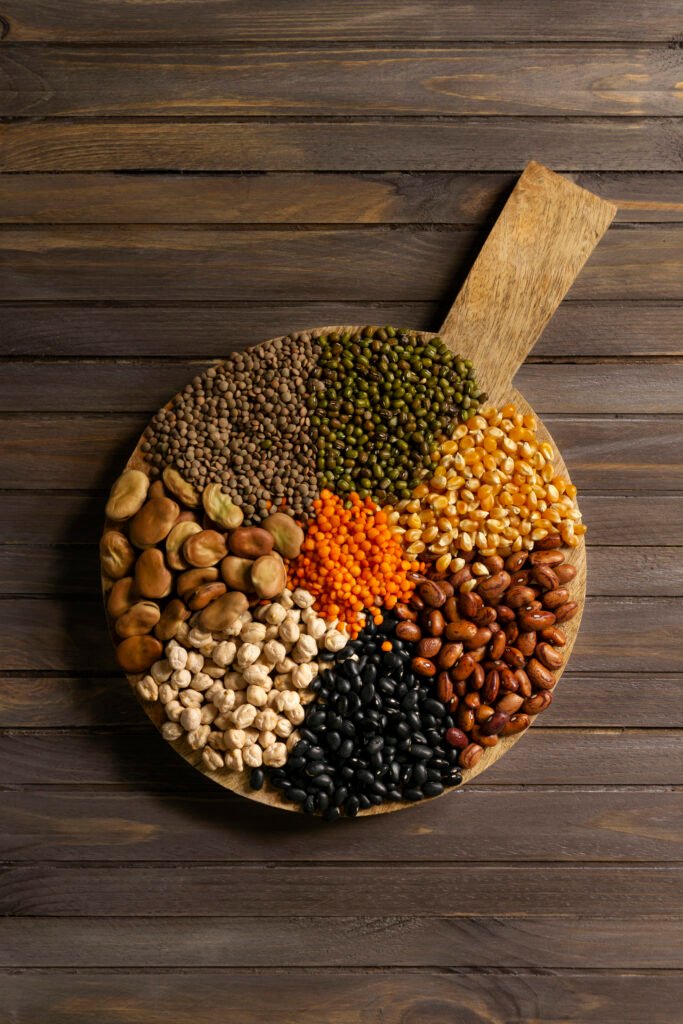
Legumes The term “legume” specifically refers to the edible, dried seed of the legume plant. They are a specific subgroup of legumes that are low in fat and high in protein and fiber. Examples include dry beans (such as kidney or pinto beans), chickpeas, dry peas, and lentils. Black eyed peas, lentils, kidney beans, black beans, and lima beans are all rich in both fiber and protein. Pea protein isolate powders are also available for vegan diets. Regular intake of legumes improves heart health and helps maintain steady blood suger levels, making them a winter essential.
Dairy Products
Dairy products are foods made from the milk of mammals like cows, goats, sheep, and water buffalo. Common examples include milk, cheese, yogurt, and butter, along with other products like cream, ice cream, and condensed milk. These foods are rich in protein, calcium, and other nutrients, which are beneficial for building strong bones and teeth, and supporting overall health. The basis of many dairy products, it is available in various forms such as whole, low-fat, skimmed and flavored. It is produced from the coagulation of various types of milk proteins, such as cheddar, cottage cheese and processed cheese.
A fermented milk product, it often contains probiotics that are good for gut health. It is made by skimming milk or cream to separate the butterfat from the buttermilk. The high-fat layer skimmed from the top of the milk is used in cooking and desserts. Ghee is clarified butter, ice cream, buttermilk, paneer and milk powder are also popular dairy products.

Essential for repairing and rebuilding muscle tissue. Crucial for building and maintaining strong bones and teeth. Many dairy products are good sources of vitamins, such as B12, which supports a healthy nervous system, and vitamins A and D, which support the immune system. Dairy products also provide other important nutrients, such as phosphorus and zinc.
Beetroot
Beetroot is packed with nutrients like folate, manganese, potassium, and fiber. It offers a number of health benefits, including improved heart health and circulation, increased exercise performance, and anti-inflammatory properties. Beetroot can be eaten raw or cooked, juiced, or pickled. Beetroot is a good source of folate, manganese, potassium, and iron. It contains betalains and other antioxidants, which help fight cell damage and reduce inflammation. The fiber in beetroot supports digestive health and intestinal health. The high nitrate content in beetroot helps lower blood pressure and improve blood flow, which is converted into nitric oxide in the body. It increases stamina and endurance by improving oxygen delivery to the muscles.

The antioxidants in beetroot help reduce inflammation throughout the body. It also improves blood flow to the brain, which helps with vision and memory. Beetroot may not be the highest protein vegetable, but is offers more protein than may other root veggies. It also contains antioxidants that support immunity, which is especially important during winter. Adding beetroot to salads, soups, or smoothies is an easy way to increase your overall nutrient intake. According to Chawla, foods like beetroot help enhance stamina and can complement other protein dense foods.
Tuna fish
Tuna fish 171 gm serving of canned tuna contains about 50g of protein, making it one of the most filling protein foods available. It is excellent for muscle repair and ideal for people looking for a lean, high quality protein source in winter. Appearance: Tuna have elongated, robust, streamlined bodies that are usually dark on top and silvery on the bottom. Their muscle tissue is red to dark red because it contains a molecule called myoglobin, which binds oxygen. Some species of tuna are warm-blooded, which allows them to survive cold water and dive to great depths.
They are very fast swimmers, with some species reaching speeds of 43 miles per hour or more. Tuna accounts for more than half of the world’s tuna fisheries. It is the largest and most valuable species, but some populations are considered endangered or near-threatened. Tuna is a commercially valuable food source, with popular preparations such as tuna melts, burgers, and steaks. It is rich in protein, vitamin B12, and other nutrients. Role in the ecosystem: Tuna play an important role in marine ecosystems, but some species are facing population declines due to overfishing.
Note: The information provided here is for general knowledge and informational purposes only should not be considered medical advice. It is essential to consult a qualified healthcare professional for any health concerns or before making any decisions regarding your health or treatment.