Sugar-free diet for diabetic patients.
If you have sugar, your blood glucose, or blood sugar, levels are too high. Glucose comes from the foods you eat. Your body’s cells need glucose for energy. A hormone called insulin helps glucose enter your cells. With type 1 diabetes, your body doesn’t make insulin. With type 2 diabetes, your body doesn’t make or use insulin well. Without enough insulin, glucose builds up in your blood and causes high blood glucose levels. https://medlineplus.gov/diabeticdiet.html
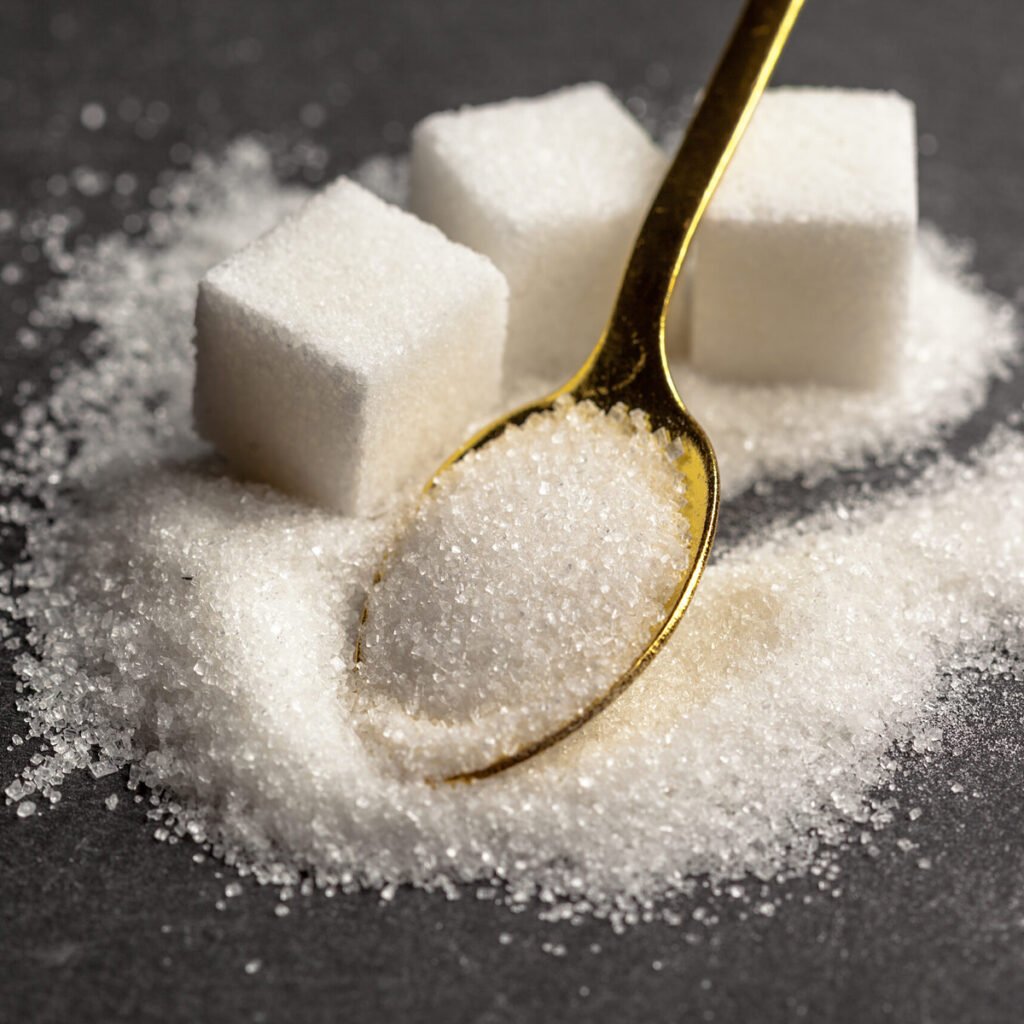
Prediabetes means your blood glucose levels are higher than normal but not high enough to be called diabetes. If you have prediabetes, you are more likely to develop type 2 diabetes. Eating the right diet for diabetes means eating a variety of healthy foods from all the food groups, including fruits and vegetables, whole grains like wheat, brown rice, barley, quinoa, and oats, lean meats, chicken, turkey, fish, eggs, nuts, beans, lentils, and proteins like tofu. https://radiantlifeblog.com/blog/
How do the foods I eat raise my blood glucose levels?
Your blood glucose comes from certain foods that contain carbohydrates. Foods that are high in carbohydrates include sweets, sodas, breads, and white rice. The more carbohydrates you eat, the higher your blood glucose levels will be. Whether you have type 1 or type 2 diabetes, making good food choices is an important way to keep your blood glucose at a healthy level. When you control your blood glucose, you can reduce your chance of developing serious health problems from diabetes, such as vision loss and heart problems. And if you have prediabetes or are at risk for diabetes, eating foods that keep your blood glucose levels healthy can help prevent type 2 diabetes later.
Sugar free fruits for diabetic patients?
Diabetics can eat fruit, but they should choose low-glycemic, high-fiber fruits like berries, apples, pears, and citrus fruits, which help prevent blood sugar spikes. Avocado is also a great choice, as it is naturally low in sugar and high in healthy fats. Since processed juices often have added sugar, fresh fruit is best. Strawberries, blackberries, and raspberries are packed with antioxidants and fiber. They are good sources of fiber, which slows down the absorption of sugar.
Oranges, grapefruits, and lemons are high in vitamin C and fiber. A unique fruit that is very low in sugar and high in healthy fats, it promotes a feeling of fullness. This tropical fruit is rich in vitamin C, fiber, and antioxidants. Even with fruits that are low in sugar, it is important to eat them in moderation. Choose fresh, whole fruits over juices, which can cause a rapid rise in blood sugar. Always talk to a doctor or registered dietitian to determine the best fruit choices and portion sizes for your individual needs.

Packed with antioxidants and fiber, which slows down the absorption of sugar. A cup of blackberries contains about 8 grams of fiber. Citrus fruits, oranges, grapefruits, sweet limes, lemons/limes are rich in vitamin C, fiber, and potassium. Fiber helps regulate blood sugar levels. Apples are high in fiber, especially in the skin, and are high in antioxidants, which help keep blood sugar levels stable.
Guava is very high in dietary fiber and vitamin C, which helps regulate blood sugar levels and aids in digestion. Avocado is technically a fruit, but it is very low in sugar and high in healthy monounsaturated fats and fiber, which improves insulin sensitivity. Kiwi is a great source of vitamin C and fiber, which slows down the absorption of sugar into the bloodstream.
Healthy Carbohydrates for Diabetes Patients
During digestion, sugars and starches are broken down into glucose in the blood. Sugars are also called simple carbohydrates, and starches are also called complex carbohydrates. Focus on healthy carbohydrates, such as fruits, vegetables, whole grains, legumes such as beans and peas, and low-fat dairy products such as milk and cheese. Avoid less healthy carbohydrates, such as foods or drinks with added fats, sugars, and sodium. Fiber-rich foods Vegetables and fruits For the most fiber benefit, eat whole fruits rather than drinking fruit juice. Nuts Legumes such as beans and peas, and whole grains.
Sugar-free vegetables for diabetic patients.
Diabetics should focus on low-glycemic, non-starchy vegetables, which are naturally low in sugar and high in fiber, vitamins, and minerals. Examples include leafy greens like spinach and kale, cruciferous vegetables like broccoli and cauliflower, and other options like asparagus, carrots, cucumbers, tomatoes, and mushrooms. Lettuce, kale, collard greens, and mustard greens are greens. Broccoli, cauliflower, cabbage, and Brussels sprouts are low in carbohydrates. They are high in fiber and low in carbohydrates, making them low on the glycemic index.
Carrots are high in fiber and antioxidants, which help regulate blood glucose levels. Cucumbers are low in calories and carbohydrates, and high in fiber. Tomatoes are rich in lycopene and vitamins, which are beneficial for heart health. Mushrooms are sugar-free and low in carbohydrates, making them a good choice for diabetics. Garlic, raw or cooked, can help regulate blood glucose levels. Bell peppers are a nutrient-dense addition to a diabetic-friendly diet. Radish is low in calories and a nutrient-dense addition to a diabetic diet.

The fiber in carrots helps us feel full and satisfied. Carrots as a particularly filling, high-fiber vegetable. Carrots are also high in vitamin A, which helps with immunity and healthy eyes. The fiber in broccoli helps reduce Lettuce is packed with a variety of nutrients. Just 1 cup of red-leaf lettuce packs 33% of your daily vitamin K needs. Vitamin K is important for blood clotting and bone health.
Serving lettuce with other foods can help slow the absorption of nutrients, which can further contribute to blood sugar control. Using lettuce in place of pizza crust or tortillas can help prevent blood sugar spikes. Satiety and acts as a prebiotic. Prebiotic fibers are fermented by our gut bacteria, helping them to thrive. In some cases, it helps with glucose and cholesterol metabolism. Pumpkin carotenoids, including lutein and zeaxanthin, support heart health and protect against certain cancers.
Pumpkin is low in calories and high in fiber. Eat cabbage. It’s high in vitamin C, and it also has tons of fiber to slow down the digestion of the food you eat with it, which helps prevent blood sugar spikes. Spinach Like all leafy greens, spinach is high in nutrients and very low in calories. It is also rich in iron, which is key to healthy blood flow. Spinach contains a compound called alpha-lipoic acid, which can help reduce symptoms associated with polyneuropathy in people with diabetes.
Tomatoes are high in lycopene. Lycopene is a compound linked to many health benefits, including a lower risk of heart disease and some cancers, and has also been shown to improve blood glucose levels. Cucumber is a high-water vegetable that helps keep you hydrated and feeling full. Vegetables from the Cucurbitaceous family, including cucumbers, can lower blood sugar levels and reduce inflammation throughout the body.
Mushrooms metformin, a commonly prescribed medication for type 2 diabetes, has been linked to vitamin B6 deficiency. Mushrooms are a source of vitamin B6, and eating more dietary sources of this nutrient can help combat that deficiency. Adequate B6 intake may also protect against cognitive decline. Mushrooms add texture and flavor to meats and can be added to everything from omelets and sandwiches to soups and stews. Green beans contain vitamin C and vitamin A and are high in fiber. If you prefer canned green beans, choose a low-sodium option if possible.
Sugar-free Dry fruit salad for diabetic patients.
The following dried fruits have a low to moderate glycemic index and offer significant health benefits when consumed in recommended portion sizes. Almonds are rich in protein, fiber, and healthy fats that help regulate blood sugar levels. Walnuts contain omega-3 fatty acids and antioxidants, which may reduce the risk of diabetic complications and improve insulin sensitivity. Pistachios are high in fiber and protein, making them a great choice for maintaining glycemic control.
Dried apricots have a low GI and are a good source of fiber, vitamin A, and potassium. Prunes are known for their high fiber content, which helps with blood sugar control and digestion. Important considerations: Even safe dried fruits contain concentrated carbohydrates and calories. Stick to recommended portion sizes. Avoid added sugars Always choose plain, unsweetened yogurt and check the labels on commercial dried fruit mixes to make sure no sugar has been added during processing.

A fresh fruit salad is the perfect, easy way to end a meal on a hot summer day. Pack this salad to take to a barbecue or potluck for a healthy, sugar-free dessert. A bowl of fresh fruit is a great way to end a summer meal instead of a traditional dessert. Fresh, ripe fruit is sweet enough on its own and therefore doesn’t need any added sugar. Chop up a bunch of your favorite fruits, toss them with a simple dressing made with freshly squeezed orange and lemon juice, and serve chilled. This summer fruit salad recipe is healthy, light, and refreshing.
Note: Consult a healthcare professional or a registered dietitian for personalized advice on incorporating fruits into your diabetes meal plan.