Can we stop a heartattack?
Can we stop a heartattack?A heart attack occurs when blood flow to a part of the heart muscle is suddenly blocked. This blockage prevents oxygen from reaching the heart, causing tissue damage. If not treated quickly, a heart attack can be fatal or cause permanent heart damage. A heart attack is a medical emergency in which the heart muscle begins to die because it doesn’t get enough blood flow. This is usually caused by blockages in the arteries that supply blood to your heart. If a healthcare provider doesn’t restore blood flow quickly, a heart attack can cause permanent heart damage and death. https://www.mayoclinic.org/diseases-conditions/heart-attack/symptoms-causes/syc-20373106

Causes of Heart Attacks Most heart attacks are caused by coronary artery disease (CAD). In this condition, plaque, a mixture of fat, cholesterol, and other substances, builds up in the arteries. When the plaque ruptures, a blood clot forms and blocks blood flow to the heart. The main causes of heart attacks are high blood pressure, high cholesterol levels, smoking or tobacco use, diabetes, obesity, a sedentary lifestyle, excessive alcohol consumption, and stress. An unhealthy diet, high in saturated fats, sugar, and salt. https://my.clevelandclinic.org/health/diseases/16818-heart-attack-myocardial-infarction
Common Symptoms of a Heartattack
Symptoms can vary from person to person. Some people experience sudden, severe pain, others have mild discomfort or no symptoms at all, which is called a silent heart attack. Common warning signs include chest pain or pressure, often described as tightness, squeezing, or burning, pain that radiates to the arm, jaw, neck, back, or stomach, difficulty breathing; sweating, cold, clammy skin, nausea or vomiting, dizziness or lightheadedness, and fatigue, especially in women. If you or someone around you experiences these symptoms, call emergency services immediately every minute counts. https://radiantlifeblog.com/blog/
Heart attack symptoms vary. Some people have mild symptoms. Others have severe symptoms. Some people have no symptoms at all. Common heart attack symptoms include chest pain, pressure, tightness, aching, squeezing, or aching, pain or discomfort that spreads to the shoulder, arm, back, neck, jaw, teeth, or sometimes the upper abdomen, cold sweats, fatigue, heartburn or indigestion, headache or sudden dizziness, nausea, trouble breathing and women may have mild or sharp pain in the neck, arm, or back. Sometimes, the first symptom of a heart attack is a sudden heart attack.
For some, a heart attack comes on suddenly. But for many people, there are warning signs and symptoms hours, days, or weeks in advance. Chest pain or pressure that persists and does not subside after rest can be an early warning sign of angina. Angina is caused by a temporary decrease in blood flow to the heart.
What are the risk factors for a heartattack?
Many key factors affect your risk of heart attack. Unfortunately, some of these heart attack risk factors are ones you can’t change, such as age and gender: Your risk of heart attack increases as you get older. Your sex affects when your risk of heart attack begins to increase. For men, your risk of heart attack increases around age 45. For women, your risk of heart attack increases around age 50 or after menopause.
Family history of heart attack If you have a parent or sibling who has had a heart attack or a history of heart attack especially at a young age your genetics are likely to be similar to theirs. Your risk increases if a first-degree relative (biological sibling or parent) is a woman at age 55 or younger or a man at age 65 and is diagnosed with a heart attack.
Lifestyle choices that you make that aren’t good for your heart can increase your risk of heart attack. These include smoking, eating a high-fat diet, lack of physical activity, drinking too much alcohol, and using drugs. Certain health conditions Certain health conditions can put strain on your heart and increase your risk of heart attack. These include diabetes, obesity, high blood pressure, high cholesterol, eating disorders, or a history of preeclampsia.
Some of the factors that cannot be controlled for heart risk include age, especially over 45 for men and over 55 for women, but women are also at risk after menopause. To control this, you can prevent heart risk by doing things like diet and nutrition, physical activity, and weight loss.
What does a heartattack feel like?
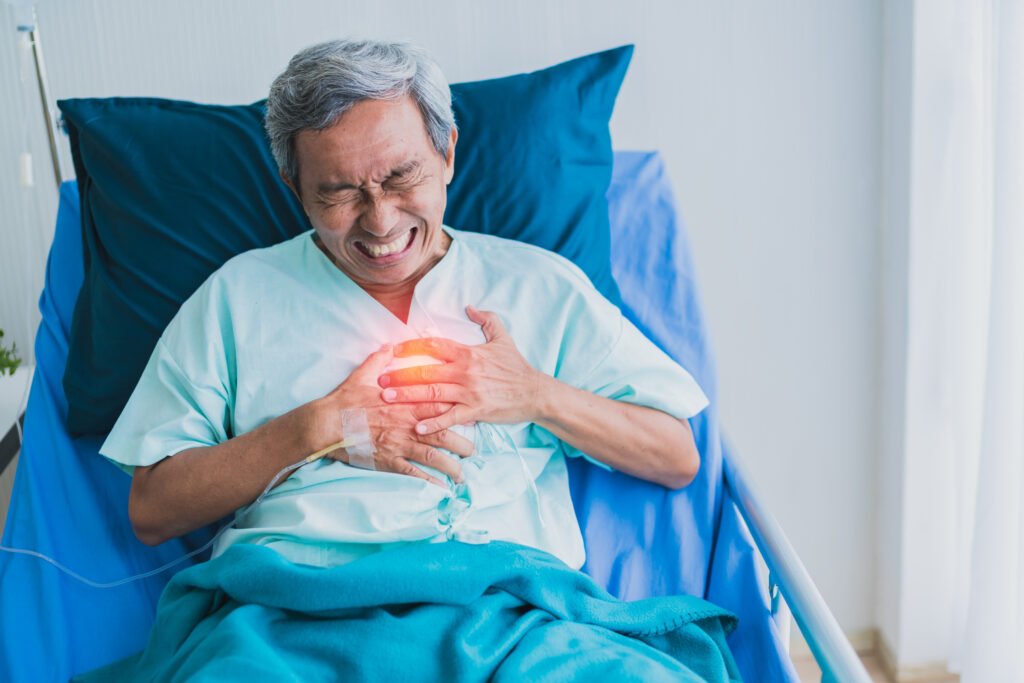
Many people experience chest pain during a heart attack. It can feel uncomfortable, squeezing, or heavy, or it can feel like a pressing pain. It can start in your chest and spread or radiate down your left arm or both arms, shoulder, neck, jaw, back, or waist. People often think they are having indigestion or heartburn when they have a heart attack. Some people only experience shortness of breath, nausea, or sweating.
How Is a Heartattack Diagnosed?
Doctors use several tests to diagnose a heart attack, including: Electrocardiogram (ECG/EKG): Detects abnormal heart rhythms or damage. Blood tests measure cardiac enzymes, such as troponin, which is released after heart muscle is damaged. Echocardiogram uses sound waves to check heart function. Coronary angiography visualizes blockages in the arteries. A healthcare provider will use the following blood tests to diagnose a heart attack.
One of the most reliable ways to diagnose a heart attack is to check your blood for cardiac troponin. During a heart attack, damage to heart muscle cells always causes this chemical marker to appear in your bloodstream. Electrocardiogram (EKG or ECG). This is one of the first tests you’ll get when you come to the ER with heart attack symptoms. Your heart’s electrical signals can help tell if there’s an injury, as well as if there are any rhythm abnormalities.
Echocardiogram. Using ultrasound (high-frequency sound waves), an echocardiogram produces a picture of the inside and outside of your heart. It shows how well your heart is contracting and how well the valves are working. Coronary angiogram, or heart catheterization. This is a procedure that uses X-rays and contrast dye to show the blood vessels to your heart and help determine if there are any blockages. Heart computed tomography (CT) scan.
This creates a highly detailed scan of your heart and its blood vessels, showing whether there is any significant narrowing or hardening of the major coronary arteries. Cardiac MRI (magnetic resonance imaging). This test uses a powerful magnetic field and computer processing to create an image of your heart. It shows problems with blood flow in the arteries to your heart.
Exercise stress test. This test may use an ECG, echocardiogram, or nuclear scan to show whether your heart is getting enough blood flow when you are physically active. Nuclear heart scans. These scans use a radioactive dye that a provider injects into your blood and computer-enhanced techniques such as computed tomography (CT) to find areas of your heart that are not getting enough blood or are injured. These scans can be single-photon emission computed tomography (SPECT) scans or positron emission tomography (PET) scans.
How is a heartattack treated?
Treating a heart attack means restoring blood flow to the affected heart muscle as quickly as possible. This can be done in a variety of ways, from medication to surgery. Treatment may include the following: Supplemental oxygen People who have trouble breathing or have low blood oxygen levels often get supplemental oxygen along with other heart attack treatments. You can breathe in oxygen through a tube under your nose or through a mask that fits over your nose and mouth.
This increases the amount of oxygen circulating in your blood and reduces the strain on your heart. Medications These may include Anticoagulant medications. These include aspirin and other blood thinners. Nitroglycerin. This medication relieves chest pain and widens blood vessels so that blood can pass more easily. Thrombolytic (clotting) medications. Providers only use these in the first 12 hours after a heart attack.
Antiarrhythmic medications. Heart attacks often cause irregularities in the normal beating rhythm of your heart, called arrhythmias, which can be life-threatening. Antiarrhythmic drugs can stop or prevent this malfunction. Pain medications. The most common painkiller people receive during heart attack care is morphine. It helps relieve chest pain. Beta-blockers. These drugs slow your heart rate so your heart can recover from the injury from the heart attack. Antihy pertensives.
These drugs lower your blood pressure and help your heart recover from the injury from the heart attack Statins. These drugs help stabilize plaque in your heart’s blood vessels so they are less likely to rupture. They also help lower cholesterol and reduce the chance of having another heart attack. Percutaneous coronary intervention, percutaneous coronary intervention (PCI), or angioplasty, restores blood flow to your affected heart muscle.
Opening your artery with a catheter is key to restoring blood flow. The sooner this is done, the better the chance of a good outcome. Providers use a metric called “door-to-balloon time” to measure their ability to treat heart attacks. This is the average time it takes for people to undergo PCI after first arriving at the emergency room. If you get PCI, your provider may place a stent in the area of the blockage.
The stent helps keep your artery open so that another blockage doesn’t occur in the same place. Coronary Artery Bypass Grafting People with severe blockages in the coronary arteries may undergo coronary artery bypass grafting (CABG). This is often called open-heart surgery or bypass surgery by providers. CABG creates a bypass for blood using a blood vessel from another part of your body (usually your chest, arm, or leg). It reroutes blood around one or more blocked artery segments and brings blood to your heart muscle. Complications/Side Effects of Treatment Side effects of treatment vary depending on the treatment and may include, nausea and vomiting, weakness, headache, bleeding, infection, blood vessel damage, arrhythmia, kidney problems.
Prevention
In general, there are many things you can do to prevent a heart attack. However, there are some things you can’t change — especially your family history — that can still lead to a heart attack no matter how hard you try. However, you can reduce your risk of having a heart attack and reduce the severity if you have one.
How can I reduce my risk? While many risk factors cannot be modified, there are many ways you can help yourself and reduce your risk of a heart attack, including scheduling a checkup. Find a primary care provider (PCP) and see them at least once a year for a check-up or wellness visit. An annual checkup can detect many early warning signs of heart disease, including changes you can’t feel. These include your blood pressure, blood sugar levels, cholesterol levels, and more.
Quitting tobacco products. This includes smokeless tobacco and all vaping products. Exercising regularly. Aim for 30 minutes of moderately intense physical activity five days a week. Eating nutritious foods. Examples include the Mediterranean or DASH diets. Eating plant-based meals is a great alternative to eating processed meats and saturated fats. Maintaining a healthy weight for you. Your primary care provider can advise you on a healthy weight goal and provide you with resources and guidance to reach that goal. Managing your current health conditions. These include high cholesterol levels, high blood pressure, and diabetes. Reducing your stress. Consider practices like yoga, deep breathing, and meditation.
Take your medications as prescribed. Don’t take them when you remember or when you have a doctor’s appointment. Keep all your medical appointments. Regular visits to your healthcare providers can help catch heart problems or other medical problems you may not be aware of. It can also help treat problems early. Being an active partner in your health doesn’t mean you have to make lifestyle changes on your own.
Ask your primary care provider and others on your healthcare team for help. They can provide you with the information and resources you need. If you’ve already had a heart attack, your healthcare provider may have recommended a cardiac rehabilitation program. The goal of this program is to reduce the chance of a second heart attack. These medically supervised programs provide counseling and focus on the same healthy living goals listed above.
Note: The information provided here is for general knowledge and informational purposes only and should not be considered medical advice. It is essential to consult a qualified healthcare professional for any health concerns or before making any decisions regarding your health or treatment.