What We Need to Stay Healthy?
Health is not just the absence of disease, it is a state of complete physical, mental and social well-being. In this competitive world, staying healthy requires effort and consistency. what we eat and how we move to how we think and relax, every habit plays a vital role in our overall health. Staying healthy isn’t about perfection it’s about balance and consistency. Focus on nourishing your body, resting your mind, and maintaining positive connections. Over time, these small daily choices add up to a happier, healthier life. what we need to stay healthy https://www.healthline.com/health/staying-healthy

Balanced Nutrition
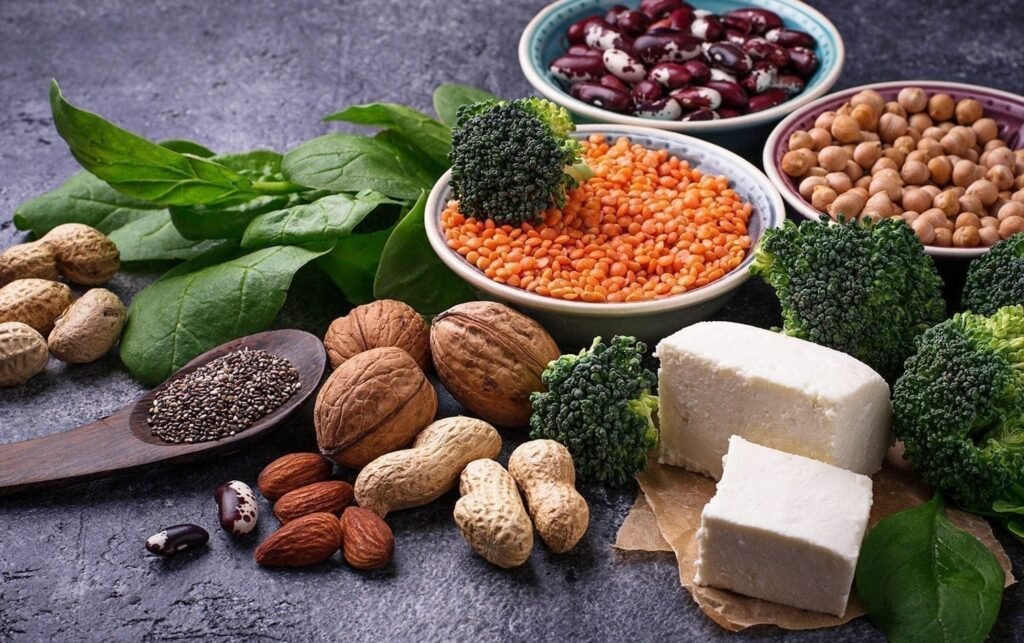
Your body relies on the nutrients you give it. A balanced diet can help maintain energy, boost immunity, and prevent chronic diseases like diabetes, heart disease, and obesity. Fruits and vegetables Aim for 5-7 servings a day. They provide fiber, vitamins, minerals, and antioxidants. Whole grains: Choose brown rice, oats, quinoa, and whole grain breads over refined grains. Protein Include lean meats, fish, eggs, legumes, and plant-based proteins like tofu or lentils. Healthy fats Use sources like olive oil, nuts, seeds, and avocados. Limit Processed foods, sugar, salt, and saturated fats. Follow the plate method half your plate should be vegetables, a quarter protein, and a quarter whole grains. https://radiantlifeblog.com/blog/
Adequate Hydration
Water helps with every bodily function, from digestion to temperature regulation. Even mild dehydration can cause fatigue, headaches, and difficulty concentrating. Adults need 2 to 3 liters (8–12 cups) of water per day. You should drink even more if you exercise or live in a hot climate. It’s a good idea to include hydrating foods like cucumbers, watermelon, and oranges in your daily diet. Staying healthy isn’t about perfection — it’s about balance and consistency. Focus on nourishing your body, resting your mind, and maintaining positive connections. Over time, these small daily choices add up to a happier, healthier life.
Regular Physical Activity
Exercise keeps your body strong, boosts your mood and reduces your risk of diseases like heart disease. Aerobic activity is at least 150 minutes of moderate or 75 minutes of vigorous activity per week, strength training should be done at least twice a week, Flexibility & balance Yoga, stretching or tai chi can improve posture and reduce the risk of injury. Examples include walking, cycling, swimming, dancing or home exercises, find something you enjoy so that it is consistent.
Quality Sleep
Sleep allows your body and brain to recharge. Chronic sleep deprivation affects your immune system, mental health, and metabolism. You should get 7 to 9 hours of sleep every night. Maintain a consistent sleep schedule, avoid screens and heavy meals before bed. Create a cool, dark, and quiet environment for good sleep.

Stress Management
Chronic stress increases cortisol levels, which can lead to anxiety, insomnia, and a weakened immune system. Ways to reduce stress Practice mindfulness or meditation. Spend time in nature. Journal or talk about your feelings. Try deep breathing or yoga. Take breaks and avoid overwork. Staying healthy isn’t about perfection it’s about balance and consistency. Focus on nourishing your body, resting your mind, and maintaining positive connections. Over time, these small daily choices add up to a happier, healthier life.

Positive Mindset & Mental Health
Mental health affects how we think, feel, and behave. A positive mindset builds resilience and promotes overall well-being. Set achievable goals. Surround yourself with positivity. Get help when you need it therapy or counseling is a strength, not a weakness. Being healthy isn’t about perfection, it’s about balance and consistency. Focus on nourishing your body, relaxing your mind, and maintaining positive relationships. Over time, these small daily choices will lead to a happier, healthier life.

Healthy Relationships & Social Connection
Humans are social by nature. Strong social connections can improve happiness, longevity, and even heart health. Make time for family and friends. Participate in community activities. Communicate openly and build support networks. Being healthy isn’t about perfection, it’s about balance and consistency. Focus on nourishing your body, relaxing your mind, and maintaining positive relationships. Over time, these small daily choices will lead to a happier, healthier life.

Avoid Harmful Habits
Some habits can sabotage all your healthy efforts. Avoid or limit them, Smoking increases the risk of cancer and heart disease. Excessive alcohol affects liver and brain function. Drug use leads to dependence and long term harm. Overeating or skipping meals disrupts metabolism. Staying healthy isn’t about perfection it’s about balance and consistency. Focus on nourishing your body, resting your mind, and maintaining positive connections. Over time, these small daily choices add up to a happier, healthier life.
Preventive Healthcare
Get regular checkups and screenings blood pressure, cholesterol, etc. and stay up to date on vaccinations. Practice good hygiene wash your hands regularly, take care of your teeth, and practice safe habits. Staying healthy isn’t about perfection it’s about balance and consistency. Focus on nourishing your body, resting your mind, and maintaining positive connections. Over time, these small daily choices add up to a happier, healthier life.
Sunlight & Vitamin D
Sunlight helps your body produce vitamin D, which is essential for bone health and immune function. Get 10–30 minutes of sunlight a few times a week. If sunlight is scarce, consider vitamin D-rich foods (fish, eggs) or supplements consult your doctor first. Staying healthy isn’t about perfection it’s about balance and consistency. Focus on nourishing your body, resting your mind, and maintaining positive connections. Over time, these small daily choices add up to a happier, healthier life.

Note: The information provided here is for general knowledge and informational purposes only and should not be considered medical advice. It is essential to consult a qualified healthcare professional for any health concerns or before making any decisions regarding your health or treatment.